
Mobile applications
for business operations
Custom mobile app development creates smartphone and tablet applications for specific business tasks — field data collection, customer engagement, real-time operations, delivery tracking, or workforce management.
Apps built for how your
teams actually work
Not a wrapped website. Native and cross-platform apps, with the backend and offline behaviour to match.
Field data collection
Capture inspections, readings, and forms offline — synced when back in range.
Workforce management
Attendance, shifts, and task assignment for teams on the move.
Delivery & dispatch
Live location, proof of delivery, and route status.
Real-time operations
Dashboards and alerts that work on a phone, not just a desk.
Customer-facing apps
Accounts, orders, and support in your customers' pocket — the flagship of what we build.
Native or cross-platform?
We'd rather tell you cross-platform is enough than sell you two codebases.
Here's how the decision actually breaks down.
Choose native when...
- The app leans on the device — camera, biometrics, background location, Bluetooth.
- Performance is the product: heavy lists, maps, or real-time rendering.
- You need day-one access to a new OS capability.
- Android and iOS genuinely need different experiences.
Choose cross-platform when...
- Both platforms need the same feature set.
- You would rather maintain one codebase than two.
- Time to market matters more than the last 10% of polish.
- The team behind it is small and needs to move fast.
Mobile application development services
Native where the hardware matters, cross-platform where speed does — with a backend that holds up.
Native Android development
Kotlin apps with full access to device hardware and OS capability.
Cross-platform development
One codebase serving both platforms, where that trade-off genuinely pays.
Native iOS development
Swift apps built to Apple's guidelines and review requirements.
Mobile backend & APIs
Cloud-first backends that scale with your user base from day one.
App maintenance & support
OS updates, store policy changes, and feature growth long after launch.
Mobile UX & prototyping
Flows and clickable prototypes tested before a line of code is written.
What we've actually shipped
Six mobile examples from a much longer list — not hypotheticals, not concepts. Systems running in production today.
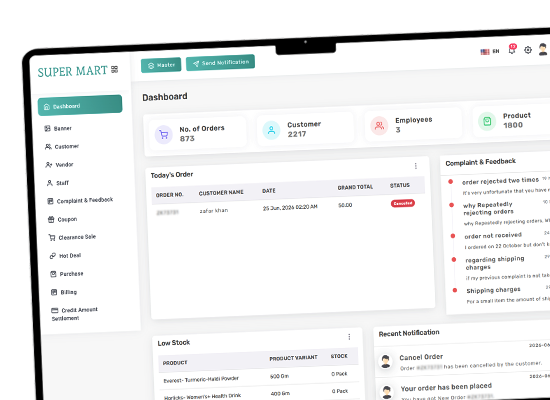
Jabalpur Super Mart
We helped a retail business transition from offline-only operations to a fully connected digital ecosystem with online ordering, delivery management, digital billing, and centralized inventory.
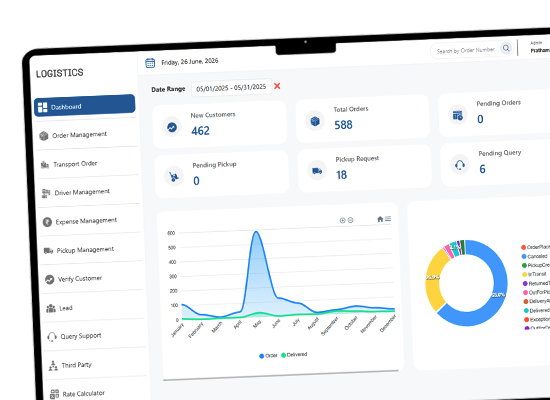
Mirai Logistics
We built a scalable logistics management platform that brings shipments, pickups, deliveries, COD, billing, and operational workflows into one unified system. The solution helped the logistics business reduce manual work, improve visibility, and manage growing delivery operations with greater accuracy.
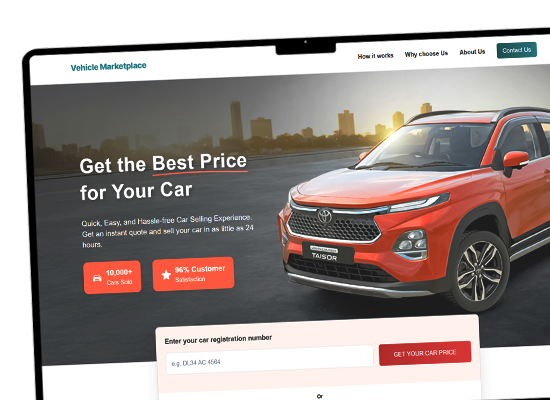
Credence Cars
Powered by real-time auctions, mobile inspections, and integrated dealer workflows, this platform streamlines the entire used-car transaction lifecycle from seller onboarding to final vehicle sale.
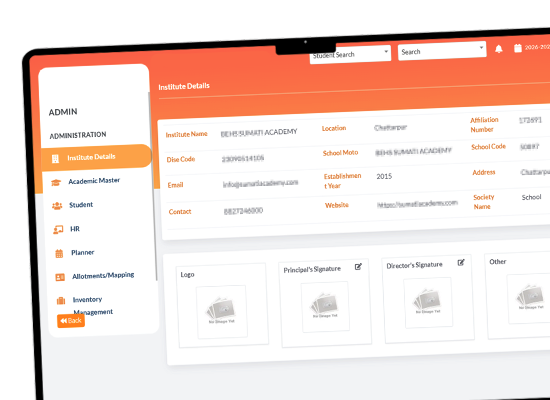
School Management System
A secure, all-in-one platform that digitized school operations, improved administrative efficiency, and strengthened parent-school communication.
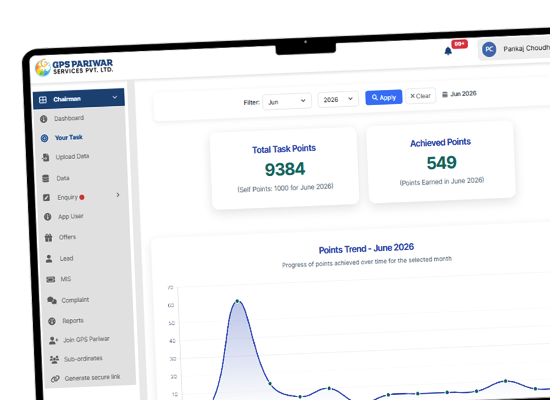
GPS Parivar
We developed a secure loan and lead management platform for a growing lending business in India. The system digitized the complete customer journey from inquiry and documentation to loan tracking, disbursement, and commission management.
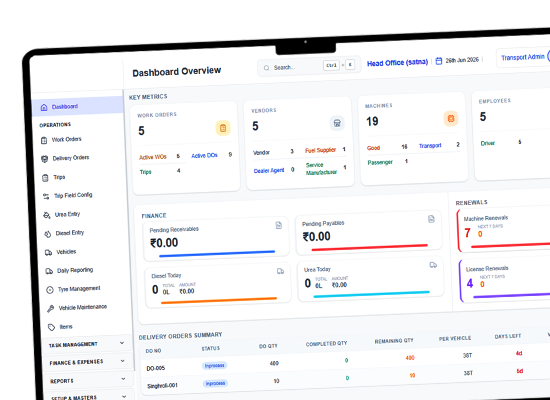
Fleet Transport Operations Management
A centralized transport operations platform that streamlines fleet management, trip planning, fuel consumption, maintenance, branch accounting, inventory, and workforce management across multiple operational sites.
Chosen for the problem, not
the habit
Twenty-five mobile stacks in production across global stores. We pick per requirement, then stay on it long after go-live.
What ships to the device


What powers it


On device and in cloud


How it reaches users



Got a project
for us?
Send over the problem and any context you have. One of our professionals will reach out.
Start a Conversation →What custom mobile app development actually involves
Custom mobile app development is the process of building smartphone and tablet software around a specific business task — field data capture, customer engagement, delivery tracking, or workforce management — rather than stretching a desktop tool onto a small screen. It covers the app itself, the cloud backend behind it, and the offline behaviour that decides whether it works where your team actually stands. Pageup has delivered 630+ solutions since 2016 across India, Germany, the UK, and the USA.
When native beats cross-platform
Native (Kotlin or Swift) wins when the app leans on the device — camera, biometrics, background location, tight OS integration — and when performance is the product. Cross-platform (React Native, Flutter, Ionic) wins when both platforms need the same feature set and you would rather maintain one codebase than two. We recommend from the requirement, not from habit.
How a mobile project gets scoped
We start with where the app will be used — on a factory floor, in a van, at a counter, or on a customer's sofa — because that decides the offline strategy, the sync model, and the interface long before the stack does. That produces a written scope you approve, then two-week sprints with builds you can install and try.
Timelines, cost, and store releases
Most mobile builds take two to five months depending on platform count, offline requirements, and backend complexity. App Store and Play Store review is planned for, not discovered at the end. After launch we handle OS updates, store policy changes, and feature growth — and the code, IP, and store listings are yours.
Frequently asked questions
What teams ask before starting a custom mobile application project.
It depends on your requirements. Native apps (Swift for iOS, Kotlin for Android) deliver peak hardware performance and platform-specific capabilities. Cross-platform frameworks like React Native and Flutter allow building for both platforms simultaneously with up to 90% shared codebase, significantly accelerating time-to-market.
We implement biometrics authentication (FaceID/Fingerprint), encrypted local storage (SQLCipher/Keychain), SSL pinning, OAuth2/JWT security tokens, and OWASP mobile security guidelines to safeguard sensitive user and business data.
Yes. We build offline-first mobile architectures utilizing SQLite/Realm local storage and automated background synchronization that seamlessly queues user actions and syncs data once internet connectivity is restored.
Yes. We manage the full app publishing process including developer account setup, app store guidelines compliance, screenshot generation, metadata optimization, and approval handling for both Apple App Store and Google Play Store.
MVP mobile applications and core feature builds typically take 6 to 8 weeks, while full enterprise cross-platform or dual native apps average 10 to 14 weeks from design audit to store launch.
Yes. We provide continuous mobile maintenance including OS compatibility updates (iOS/Android new releases), performance monitoring, bug resolution, analytics tracking, and feature upgrades.

Let's accelerate your next initiative.
Tell us which process is creating friction. We'll come back with a scope, a team, and a timeline.